The Curious Observer Font for Web Design
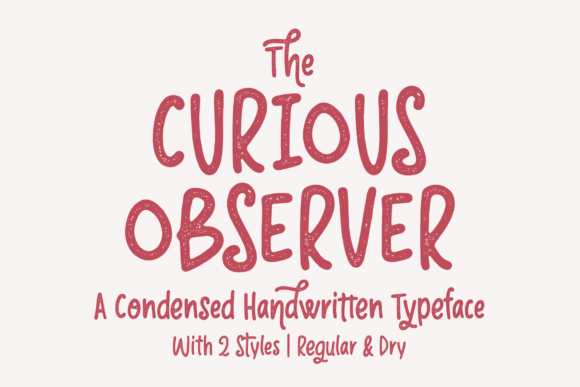
The Curious Observer is a handwritten display typeface that brings a personal and expressive touch to digital projects. With two styles—Regular and Dry—it offers subtle variations in stroke weight and texture, making it ideal for creating visual interest without sacrificing legibility. Its lowercase alternates and ligatures add character, allowing designers to craft unique typographic moments that stand out on websites, banners, and branded content.
As a web designer, I’ve found that The Curious Observer works especially well in hero sections and call-to-action areas where the goal is to capture attention quickly. The font’s organic feel helps convey creativity and approachability, which is perfect for creative portfolios, coaching sites, or boutique online stores looking to build a warm and inviting brand identity.
Visual Personality and Style
The Curious Observer has a distinct personality that leans into the charm of handwritten typography. It feels spontaneous yet refined, with a balance between casual and professional aesthetics. This makes it suitable for both modern and traditional design directions, depending on how it's paired with other elements.
Its irregular stroke widths and natural flow give it a sense of movement, which can be used creatively in animations or transitions. However, because it’s a display font, it should be reserved for larger text elements rather than body copy. When used thoughtfully, it adds a human element to otherwise sterile digital interfaces.
Applications in Web Design
For website headers, The Curious Observer can help establish a strong visual hierarchy. It pairs well with clean sans serif fonts for body text, ensuring readability while maintaining a cohesive design system. On landing pages, using this font for headline text can increase engagement by drawing the eye immediately to the main message.
In online shop banners, it can be used to highlight product names or promotions. For example, a boutique clothing store might use The Curious Observer for section titles like “New Arrivals” or “Featured Collection,” adding a personal touch that resonates with customers.
Blog headers and course sales pages also benefit from its expressive nature. A blog about lifestyle or creative writing could use The Curious Observer as a header font to reinforce the theme of curiosity and exploration. Similarly, a course selling creative skills might use it to emphasize the idea of learning through observation and discovery.
Readability and Layout Considerations
While The Curious Observer is visually appealing, it’s important to consider readability across different screen sizes and contexts. On mobile devices, ensure that the font size is large enough to remain legible. Avoid using it on small buttons or within dense blocks of text where scanning is essential.
When pairing The Curious Observer with other fonts, choose complementary styles that enhance rather than compete. A simple sans serif font like Helvetica or Arial can serve as an excellent contrast, providing clarity and balance. For more editorial or storytelling-focused designs, a serif font such as Georgia might offer a better tonal match.
Testing the font in various color combinations and background settings is crucial. Light backgrounds work best for dark text, but if using dark backgrounds, opt for a lighter version of the font or adjust the contrast accordingly. Image overlays can also be used to make the text stand out without overwhelming the design.
Brand Identity and User Engagement
A brand’s typography plays a significant role in shaping user perception. The Curious Observer can contribute to a brand’s tone by conveying curiosity, creativity, and authenticity. These qualities are particularly valuable for startups, creative agencies, and niche marketplaces aiming to differentiate themselves in competitive spaces.
Consistency is key when building a brand identity. If The Curious Observer is chosen as the primary display font, it should be used consistently across all digital assets—including logos, social media graphics, email headers, and marketing materials. This reinforces recognition and builds trust with the audience.
From a conversion standpoint, using The Curious Observer in CTA buttons or promotional banners can create a sense of urgency or excitement. However, it’s important to maintain a clear call to action, ensuring that the font doesn’t overshadow the message itself.
Practical Implementation Tips
Before implementing The Curious Observer on a live site, verify that it supports the necessary file formats (such as WOFF or WOFF2) for optimal performance. Check if the font includes additional features like multilingual support or extended character sets, especially if targeting international audiences.
Also, ensure that you have the appropriate commercial license for your project. Whether you're designing for a client, launching an online store, or creating digital templates, having the right licensing terms protects both you and your clients from legal issues.
Finally, experiment with spacing, leading, and kerning to fine-tune the font’s appearance. Subtle adjustments can make a big difference in how the text is perceived and how it contributes to the overall layout rhythm.