Gelimer: A Bold Display Font for Modern Branding
I was staring at a blank brand board the other day, trying to figure out what kind of visual identity would best suit a new client—a cozy café with a retro vibe. The name? Something like “The Velvet Bean.” I needed a font that could capture both the warmth of coffee and the edginess of a modern design. That’s when I stumbled upon Gelimer, a bold and neo gothic display font that immediately caught my eye.
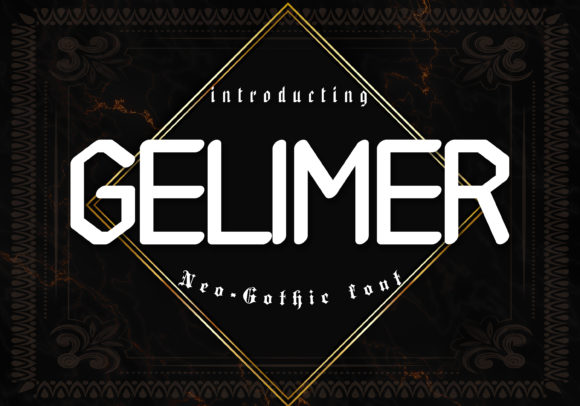
As a designer, I know that choosing the right typeface can make or break a brand. Gelimer has this unique blend of strength and elegance, with sharp angles and elegant curves that give it a distinctive character. It feels like it belongs in a world where typography is both an art form and a statement.
First Impressions and Initial Testing
The first thing I noticed about Gelimer was how it stood out on the screen. It wasn’t just another bold font—it had a personality. I started by placing it on a logo draft. The word “Velvet” in Gelimer looked powerful, almost like a declaration. It gave the café a sense of confidence without being too over the top.
I tested it on a few different mockups. On a shop sign, it felt commanding but still approachable. On a business card, it didn’t feel too heavy, which was a relief. I even tried it on a label sticker for their signature coffee blend, and it added a touch of sophistication that fit perfectly with the café’s aesthetic.
Using Gelimer in Brand Identity
Once I was comfortable with Gelimer, I began incorporating it into the full brand identity. For the logo, I used it as the main headline font, paired with a clean sans serif font for body text. This combination created a nice contrast—Gelimer brought attention to the key elements, while the sans serif kept everything readable and modern.
In packaging design, I used Gelimer for product names and taglines. It worked well on coffee bags and promotional flyers, giving them a sense of quality and uniqueness. Even on social media graphics, the font stood out without overwhelming the content. It was perfect for Instagram posts, where visual impact is key.
For website headers, I placed Gelimer in the hero section, making sure it was large enough to grab attention but not so big that it lost its readability. I also experimented with it in editorial design, using it for headlines in blog posts and newsletters. It added a layer of creativity that made the content feel more engaging.
Design Observations and Practical Advice
One thing I learned early on is that Gelimer works best as a display font rather than a supporting typeface. It’s too bold and stylized to be used for long-form text. However, when used sparingly, it can elevate the overall look of a design.
I recommend testing Gelimer in different contexts before committing to it for a full brand system. Try it on a variety of materials—business cards, posters, digital banners, and printed marketing collateral. See how it looks in different colors and backgrounds. Sometimes, a subtle change in color or spacing can make a big difference.
Font pairing is also important. I found that Gelimer pairs well with a modern sans serif font like Montserrat or Helvetica Neue. The contrast between the two fonts helps maintain visual hierarchy and keeps the design from feeling cluttered.
Another thing to consider is the file formats available. Make sure you have access to the necessary weights and styles if you plan to use it across multiple platforms. Also, check if it supports multilingual characters, especially if your brand operates in different regions or languages.
Final Thoughts on Gelimer
Gelimer has become one of my go-to fonts for branding projects that need a touch of boldness and character. It’s incredibly versatile and can be adapted to a wide range of design needs. Whether you’re working on a logo, packaging, or digital assets, Gelimer adds a level of professionalism and recognition that’s hard to achieve with other fonts.
If you're looking for a display font that can elevate your designs and leave a lasting impression, I highly recommend giving Gelimer a try. It might just be the missing piece your next project needs.